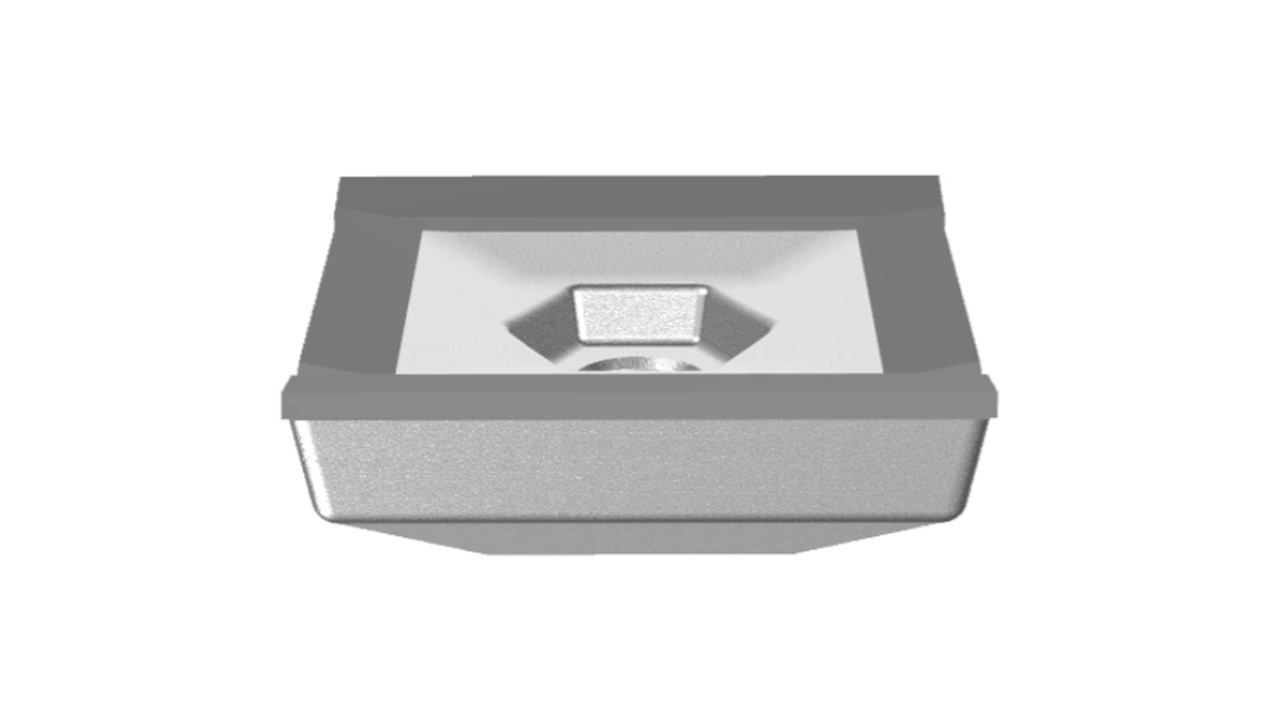
Log debarking is a key step in modern wood processing systems today. It removes the outer bark layer before logs move to the cutting stages. Clean logs help machines work longer without damage or sudden failure. Many facilities use carbide debarker tips made by JYF Machinery. These tips support steady bark removal under tough working conditions.
What Carbide Debarker Tips Are
Carbide debarker tips are small but very strong cutting parts. They are fixed onto tools that contact the log surface directly. Carbide is harder than many common metals used in machines. This hardness helps tips resist wear from dirt and sand. Strong tips allow machines to work longer between part changes.
Why Bark Is Hard on Machine Parts
Tree bark often carries soil, grit, and small stones from forests. These materials act like rough sand during machine contact. Constant rubbing can wear down weaker metal parts very quickly. Worn parts reduce bark removal quality and slow overall production. Stronger materials help handle this harsh working environment better.
How Carbide Helps in Tough Conditions
Carbide tips hold their shape under heavy pressure and friction. This helps keep cutting edges sharp for longer periods. Sharp edges remove bark more evenly across the log surface. Even removal supports smoother movement into later cutting stages. Durable tips also reduce the need for frequent part replacement.
Use in Ring Debarker Machines
Ring debarkers pass logs through a rotating ring of tools. Carbide tips mounted on these tools strip bark as logs move through. The ring system works well for straight logs of similar sizes. Carbide parts help maintain steady contact without fast wear. This supports stable output during long operating shifts.
Use in Drum Debarker Systems
Drum debarkers remove bark as logs tumble inside a large drum. Carbide tips may be used on parts that guide or contact logs. These systems handle mixed log sizes in high-volume operations. Strong tips resist damage from constant impact and rough movement. This helps keep bark removal effective across large batches.
Importance of Proper Tip Installation
Correct fitting of carbide tips is very important for safe work. Loose tips can shift or fall during machine operation. Proper mounting keeps tips stable under heavy force and vibration. Stable tips maintain correct angles against the log surface. This supports even bark removal without deep wood cuts.
Balancing Pressure and Contact
Debarker tools must press against logs with balanced force. Too little pressure leaves bark patches on the surface. Too much pressure can cut into useful wood layers. Carbide tips help keep cutting edges firm during contact. Good adjustment allows bark removal while protecting the wood underneath.
Reducing Machine Downtime
Frequent part changes slow production and increase maintenance time. Carbide tips last longer than many standard metal parts. A longer life means fewer stops for replacement work. This helps keep machines running during planned working hours. Reduced downtime supports smoother daily production flow.
Supporting Clean Log Surfaces
Clean log surfaces help later machines cut more smoothly and evenly. Less dirt reaches saws, chippers, or peeling tools downstream. Carbide tips help remove bark that holds soil against wood. Cleaner wood reduces wear on many other machine parts. Good debarking improves the full processing line performance.
Maintenance and Inspection Needs
Even strong carbide tips require regular inspection for wear. Edges can dull over long use under harsh conditions. Early checks help workers replace parts before quality drops. Planned inspection prevents sudden failure during busy work periods. Routine care supports safer and more reliable machine operation.
Handling Different Log Types
Logs differ in size, hardness, and bark thickness between tree types. Carbide tips can handle many of these differences well. Strong edges stay effective against thick or rough bark surfaces. This flexibility helps machines process mixed loads from forests. Stable performance supports steady work across changing materials.
Safety and Work Area Cleanliness
Effective debarking reduces loose bark pieces moving further along the line. Less bark waste reaches floors and work paths near machines. Cleaner areas help lower slipping risks for workers nearby. Carbide tips support steady bark removal early in the process. Early removal helps keep later areas more organized.
Environmental Handling of Removed Bark
Bark removed during debarking becomes a separate waste stream. Some facilities reuse bark as fuel or ground material. Cleaner separation makes reuse easier and more practical. Carbide tips help strip bark without heavy wood damage. This supports better material use across the operation.
Conclusion
Carbide debarker tips play an important role in modern log processing. Their strength helps resist wear from dirt, sand, and hard bark. Longer tip life reduces machine stops and supports steady production. Proper use helps remove bark while protecting useful wood layers. Together, these practices support efficient, safe, and reliable wood processing work.