Modern network infrastructures rely on structured cabling systems, which are used to connect servers, switches, and end-user devices. The Patch cord Manufacturers is at the core of this system, as it may seem a straightforward device, yet it may have a tremendous influence on the performance, reliability, and scalability of the network. The selection of an appropriate patch cord involves a cautious grasp of network requirements, cabling standards, and the environment.
Understanding Patch Cord Categories
The patch cords are classified according to their performance requirements and shielding types, which determine their applicability to various network requirements. The most widespread types are between Cat. 5e and Cat. 6, and the more advanced type, such as Cat. 6A, Cat. 7, and Cat. 7A. The different categories provide different amounts of bandwidth, reduced crosstalk, and transmission rate. Although Cat. 5e and Cat. 6 patch cords are still widely used in normal office networks, and data centers and large enterprise networks are now using Cat. 6A and more to enable faster data transfer and reduce signal interference. The appropriate choice of the category also guarantees that the patch cord is able to support the working requirements of the network without any bottlenecks.
Evaluating Shielding and Construction
Patch cords have either an unshielded twisted pair (UTP) or shielded twisted pair (FTP, S/FTP, or U/FTP) design. Shielding can help guard data transmission against electromagnetic interference (EMI) and crosstalk, including in high-electronic equipment in or amongst dense cables. UTP cords are thin and flexible and can be used in the general office, and shielded cords provide better protection to important network routes or those with high frequencies. The cabling environment is an important factor to consider; an inadequate choice of shielding may cause data errors, a poor network, and higher maintenance costs.
Determining the Right Length
Patch cord length is not just a convenience issue; it also influences signal quality and the economical use of cabling. The longer cords can cause signal loss or too much slack in cable management systems, whereas too short cords can cause connector and port strain. Standards on structured cabling suggest that maximum segment lengths should be used on each category to ensure good transmission of data. Using patch cords of the proper length of horizontal and vertical cabling cords helps create cleaner installations, lessen racks clutter, and help in the efficient air circulation within data centers.
Choosing Connector Types
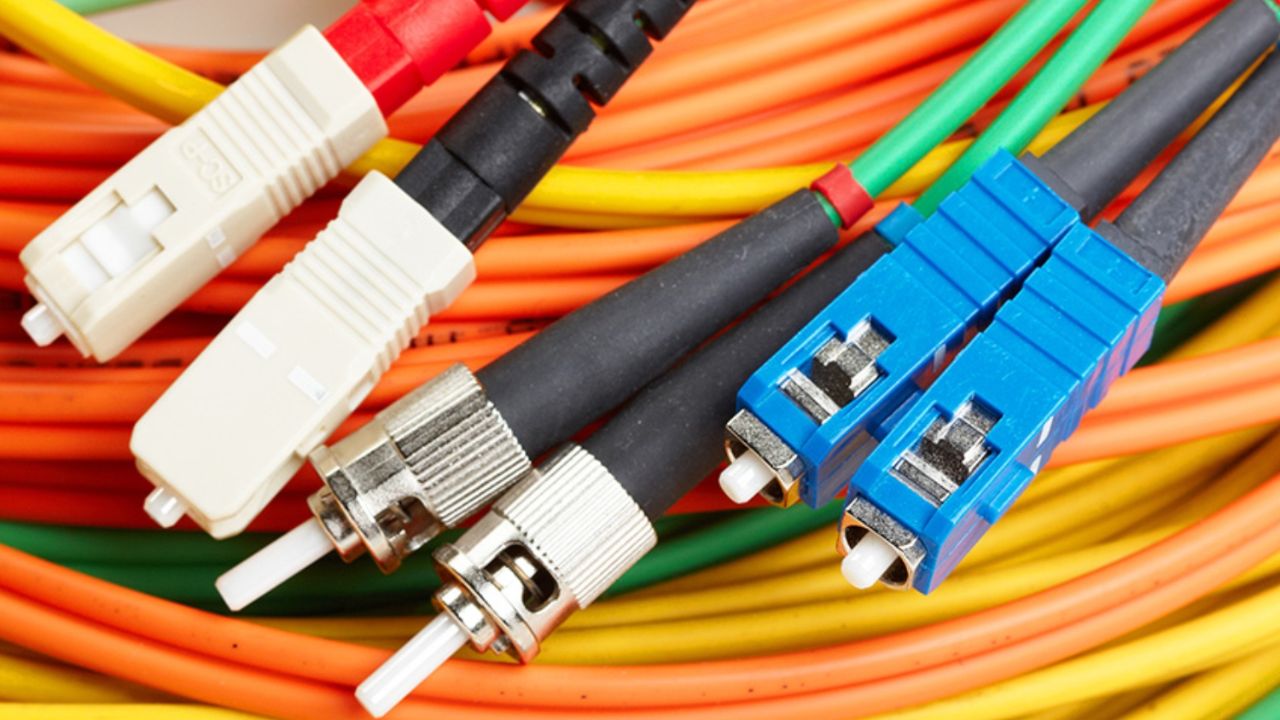
Patch cords and network devices are connected with connectors. Copper Ethernet cables use RJ45 connectors, and fiber optic patch cords use LC, SC, or ST connectors. The connector type should correspond to the device port, the cable type, and the requirements of the network speed. Good quality connectors are also useful to provide secure connections, reduce insertion loss, and prevent disconnections or physical damage. Exceptional connector materials, plating, and build quality assessment can avoid problems in long-term network reliability.
Considering Flexibility and Durability
Patch cords are moved more than once, either during an installation or upgrade, or when troubleshooting. Durable cables that are flexible avoid kinking, bending, and breakage, which will end the life of the cable and the equipment attached to it. The patch cords have thin designs in tight spaces, and others are ruggedly insulated with regard to industrial or high-traffic conditions. The choice of the material and flexibility depend on the concrete deployment situation to provide stable operation and minimize the necessity of changing it.
Matching Network Requirements
Conclusively, the appropriate selection of patch cords should be made by aligning the selection with the technical needs and operational objectives of the network. The decision should be based on factors like speed of transmission, bandwidth of the data, and environmental conditions. A high-performance data center may need shielded Cat. 7A cords to handle 10 Gigabit Ethernet or more, whereas an ordinary office installation can work well with Cat. 6 UTP cords. Scalability can also be implemented during selection by considering future network upgrades, which will help to reduce the number of costly cabling upgrades.
Conclusion
The choice of the patch cord is an important process in the development of a structured cabling system that is reliable and future-proof. The knowledge of categories, shielding types, lengths, connector choices, and durability requirements helps organizations achieve the best performance of their network and reduce their maintenance issues. The right patch cord is known to support efficient transmission of data and also helps in providing clean, well-organized, and scalable cabling solutions. Having an informed decision on patch cords will enable the IT managers to have high-performance networks that can match the current needs as well as the upcoming technological developments.